Aug 15, 2026
Nudge or Sludge?
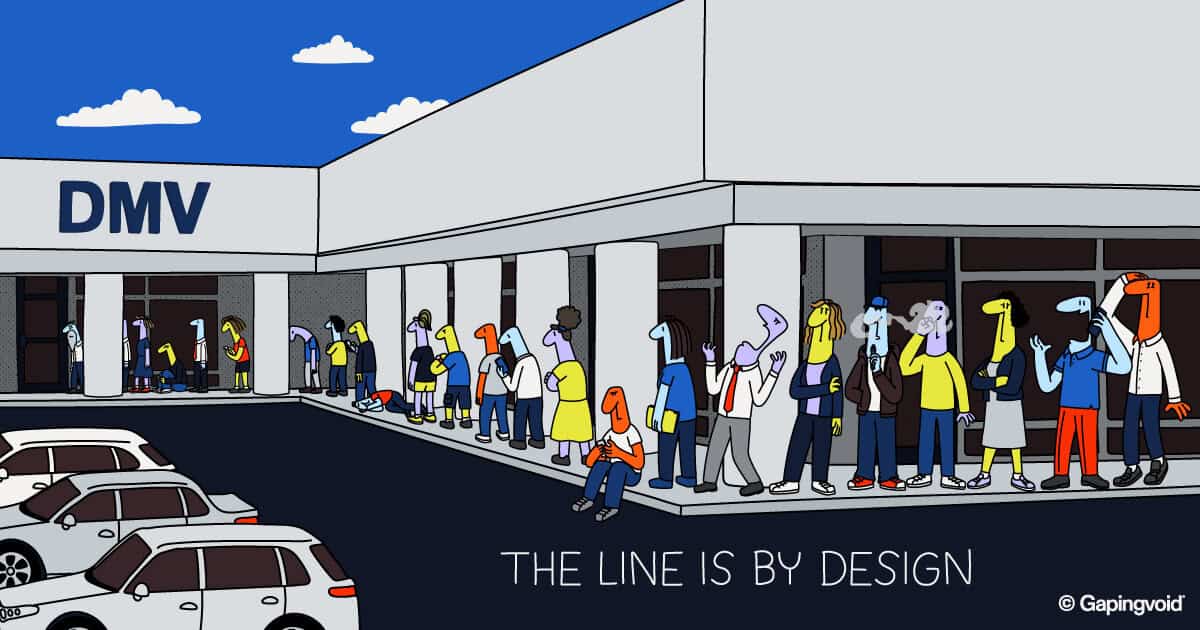
Nearly two decades ago, Harvard Law professor and US policy wonk Cass R. Sunstein wrote the bestseller “Nudge” with behavioral economics Nobel Prize winner Richard H. Thaler.
In 2010, UK Prime Minister, David Cameron, liked the idea so much that he even set up a government agency, the Behavioral Insights Team (nicknamed “The Nudge Unit”), to scale the idea at the national level.
Nudge was all about what Thaler calls “choice architecture.” The TLDR: if you make the good choice (the right choice), the easiest choice, people take it.
If you’re trying to get free school meals to children from low-income families, enroll kids in free meals automatically instead of making families fill out forms, and sign-ups soar. Nobody has to be lectured or go through a grueling process. The design does the work.
Culture Design®? You bet.
Two decades later, Sunstein started thinking about the dark side of this theory. Hence the title of his 2022 book, “Sludge”
Why does subscribing to a newsletter take less than a second with a simple click of a button (nudge), but unsubscribing is a jump-through-hoops endeavor that can only happen by phone during strict business hours with a mandated “sales pitch presentation” thrown in for extra fun (sludge)?!
Or why is it quick and easy to get admitted to the hospital, but insurance paperwork makes you question if you ever learned English at all?
We can all relate.
It used to be in the best interest of companies to maniacally integrate sludge into their UX. To get people so frustrated with the paperwork or the process, that they give up on fighting it altogether.
Some businesses still play by this playbook. But far more have felt the benefits of removing the sludge entirely. There’s a reason 80% of US households shop on Amazon.
Sunstein’s answer to sludge is to audit it. Find the friction, remove it. Repeat.
That’s all well and good, but it ignores why the sludge is there to begin with.
What we make easy is what we actually want. What we make hard is what we’re afraid of. A subscription that takes one click to start and three phone calls to end is a company admitting, in writing, that it can’t keep customers on its merits.
The audit won’t tell you that part. You can delete the form. But if you don’t fix the belief that produced it, eventually it grows back.
So audit the sludge in your onboarding, your approvals, your handoffs. And in the process ask the harder question: what were we afraid of when we built this?
Want to know what a company actually believes? Skip their core values page. Try to cancel something.