Nov 4, 2026
Pick Your Delusion
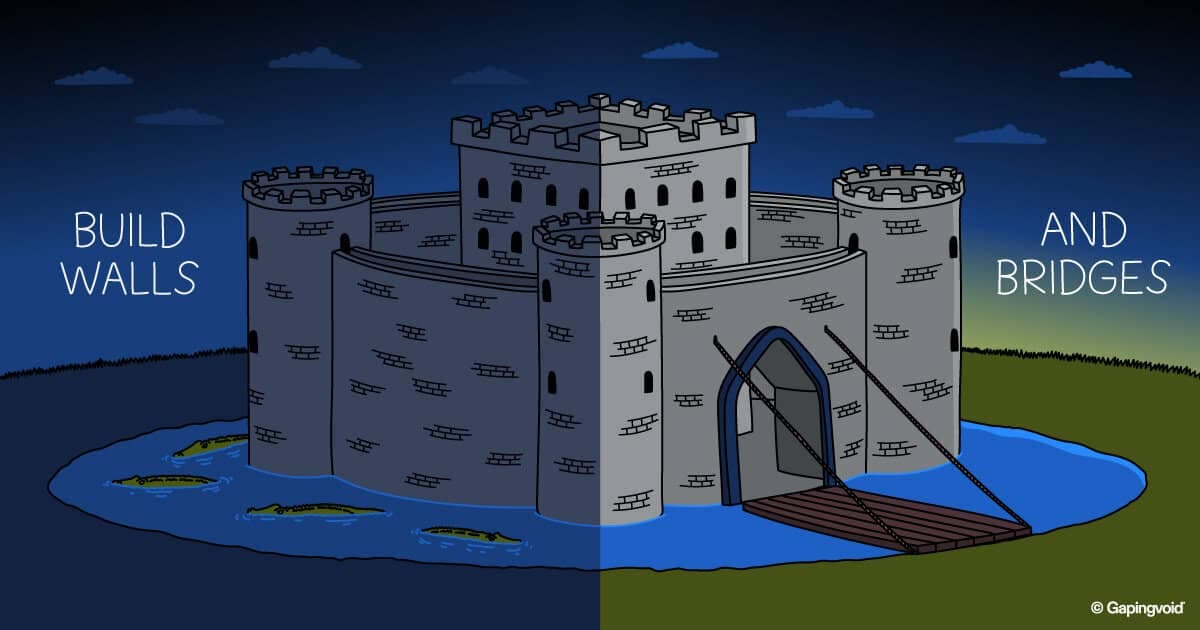
Here’s a fun little fable for you:
A powerful, famous leader feels… wary. He thinks people are out to get him, to undermine him, to ruin everything he’s built. Who’s after him, exactly? He doesn’t know. But he’s pretty sure there’s a plot, and he’s pretty sure he can bring the conspiracy to light.
So he takes every precaution he can. He surveils the people he suspects. He investigates his adversaries.
Then one day it all collapses on him. Because in his quest to protect himself, he overstepped the law.
The thing that ruined him…was him.
If you haven’t picked up on it, this isn’t a fable. It’s history. Richard Nixon, Watergate: a cautionary tale against paranoia – a word which, in Ancient Greek (πράνοια), meant “madness.”
But other kinds of madness exist. In 1982, sociologist Dr. Fred H. Goldner wrote this:
“Pronoia is the positive counterpart of paranoia. It is the delusion that others think well of one. Actions and the products of one’s efforts are thought to be well received and praised by others. Mere acquaintances are thought to be close friends; politeness and the exchange of pleasantries are taken as expressions of deep attachment and the promise of future support.”
He calls it a delusion. And maybe it is. But which delusion would you rather have?
Abraham Lincoln knew his political opponents were talented, brilliant men. Forces to be reckoned with. Forces that could very well ruin him. The kind of forces Nixon feared.
So Lincoln did the delusional thing: He invited them into his Presidential cabinet. And some of them went on to become his most loyal and trusted advisors.
Paranoia and pronoia. Both can break you. But only one is a prison of your own making.