Sep 2, 2026
Be Emotional
During the Winter of 1944, when the German war machine looked to be on its last legs, hundreds of thousands of American soldiers in Europe were hoping they’d be home with their families by Christmas.
Then, in a quiet corner of Belgium blanketed with deep snow and dense forests, the German Army launched one of its fiercest, largest offensives of the entire war.
When the news reached American military leadership, they convened a conference. The mood of the room was dismal, to say the least. Heads hung. Hope was sparse.
Then Eisenhower addressed the elephant:
“The present situation is to be regarded as one of opportunity for us and not of disaster… There will only be cheerful faces at this conference table.”
The energy shifted in an instant. Sure enough, they put together a plan. And it worked.
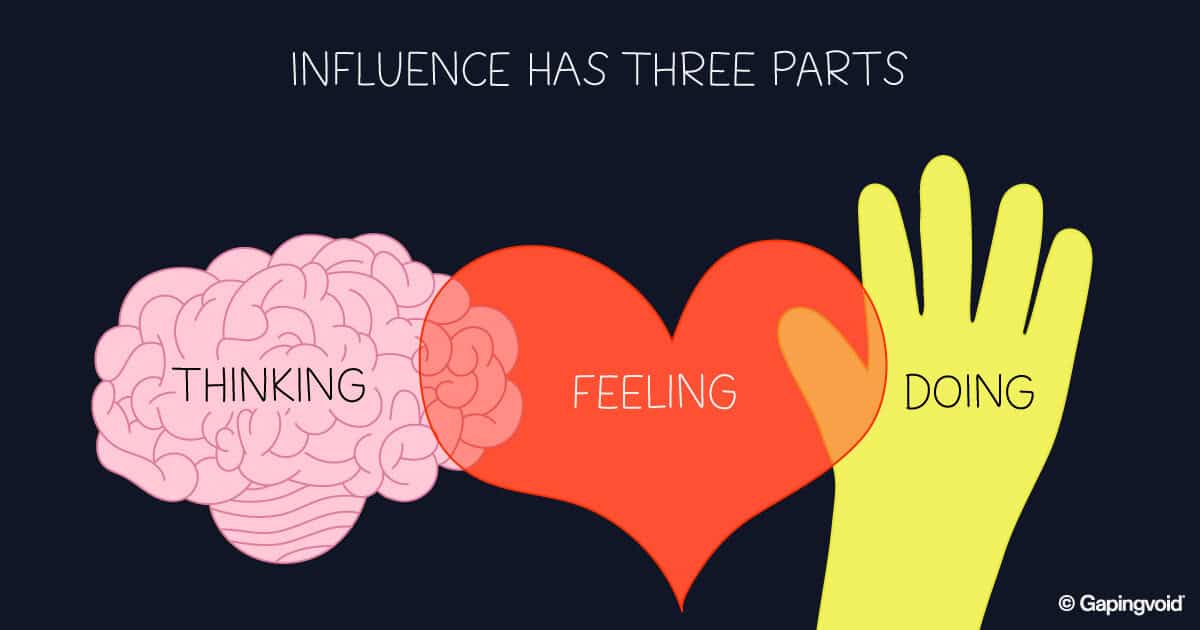
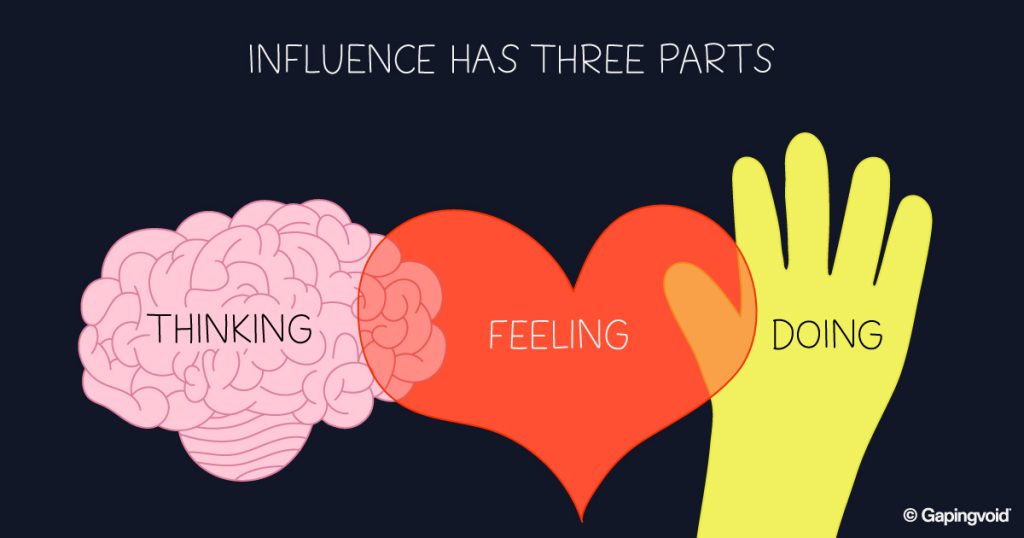
The moment showed us two sides of leadership. Both essential, often at the same time.
There’s strategic leadership: General Patton (operating to the South, pushing to the East) was instructed to switch his objective and swing his army North against the German advance pushing West.
Then there’s emotional leadership: Let’s see that smile, fellas. See the opportunity, not the disaster.
We all know, through studies or just plain old life, that emotions are contagious. As a leader, you’re a superspreader. What are you spreading? Optimism or pessimism? Fear or courage? Opportunism or resignation?
It’s easy to concentrate your focus on strategic leadership. Your team needs instructions. They can’t move the needle if you don’t tell them which direction to move it.
But emotional leadership explains why the needle needs to move in the first place. What are we fighting for? What are the consequences of giving up? Why is this worth your time when you could spend it doing quite literally anything else?
Eisenhower understood that people don’t leave their feelings at the door when they show up to do hard things. He knew the plan mattered. But so did how people felt about the plan.
Leaders spend enormous amounts of time deciding what their people need to do. Far less thinking goes into what their people need to feel to do it.
Courage. Urgency. Pride. Defiance. Hope. Even anger, sometimes.
None of these appear in your strategy deck. Yet they determine whether your strategy survives contact with reality.