May 28, 2026
Why Do We Keep Killing The Golden Goose?
We all know the famous Aesop fable about the Golden Goose.
A farmer had a goose that laid golden eggs. Every so often the goose would lay a golden egg, allowing the farmer to live a very fancy life.
The trouble began when the farmer got greedy. The goose laid golden eggs, sure, she just didn’t lay them fast enough to pay for the farmer’s increasingly lavish lifestyle.
So the farmer decided, rather than waiting around like a yutz for the goose to lay her next egg, he would cut open her stomach and get all the eggs at once.
So he cut open the goose, but to his horror, found there were no eggs. Plus he had just killed the Golden Goose in the process. No more eggs for him!
Our friend, Eric Ries, used this story to open his book, “Incorruptible: Why Good Companies Go Bad… and How Great Companies Stay Great.”
He starts by asking the question, why do businesses cut out what makes them special, just to chase short-term profits? Why do companies kill off their golden geese? Why are they so good at replacing visionary leaders with faceless technocrats? What causes founders to suddenly stop caring about the mission that made them start the company in the first place?
Robert Owen is offered as an example, the man credited with pioneering what became known as “Enlightened Capitalism” through his wildly successful cloth mills. But the mills weren’t his secret sauce, nor was the cloth. His big insight was (wait for it): people work better when you treat them like people. So he paid high wages, offered affordable healthcare, and provided free education for workers’ children. Today that sounds reasonable. Back then, it bordered on heresy.
Owen understood that taking care of employees was not only the “right” thing to do, it was the strategic and profitable thing to do. According to his math, happy workers means greater productivity which means more profits.
Apparently his partners weren’t crazy about his formula. They wanted him to spend less money on his workers and more.
Eventually, they got control of the company and kicked him out. His Golden Goose now good and dead, Owen’s career never recovered. He died broke and disappointed.
The mistake he made was underestimating how much hostility his enlightened approach would generate from his fellow capitalists. He naively assumed that once they saw his ideas in action, and saw them succeed, they would see the light and start following his example. Silly Owen.
His partners were being perfectly rational. Spending more on people meant less money in their pockets. The trouble with being perfectly rational is that it blinds you to the roundabout ways the world actually works. Owen’s expensive workers were the most profitable workers. They just couldn’t see it because the line didn’t run straight from A to B.
Somehow some modern leaders are still struggling with this concept.
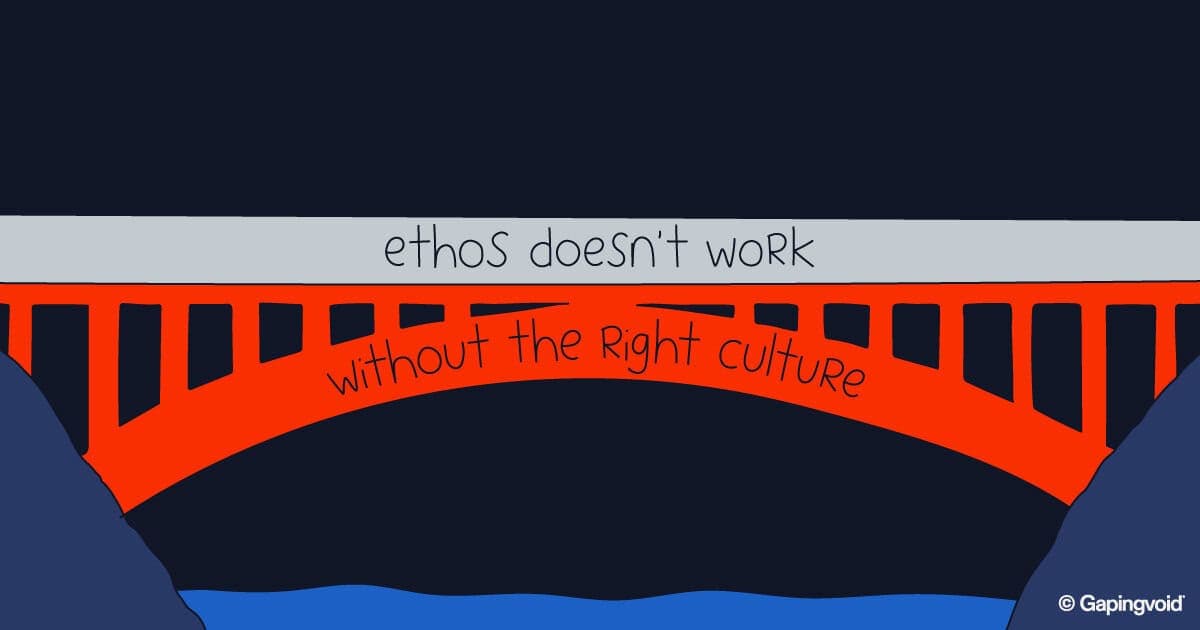
The companies that last are usually the ones that realize the same thing Owen did: culture isn’t separate from performance. Culture IS performance. The way people are treated eventually becomes the way customers are treated, products are built, decisions are made, and brands are remembered.
Your culture is your Golden Goose.
The question is whether you’ve designed a company capable of protecting it when growth, pressure, and human nature inevitably come knocking.
That’s what makes Eric’s book so valuable. It’s a blueprint for keeping your goose alive.