Aug 5, 2026
When Control Creates Chaos
A perverse incentive is when you reward one behavior… and accidentally create another. Basically the Law of Unintended Consequences in action.
One classic example comes from colonial Hanoi. Hoping to reduce the city’s rat population, the government offered a bounty for every rat pelt people turned in.
The plan backfired spectacularly.
Instead of hunting rats, enterprising locals started breeding them so they could turn them into the government and make a quick buck. The incentive designed to eliminate the problem turned it into a thriving business.
The British Raj repeated the mistake with cobras in India. Same incentive. Same outcome.
Business leaders make versions of this mistake every day. Take the modern obsession with productivity for example:
Most companies want employees to stay engaged, responsive, and accountable. Fair enough.
But somewhere along the line, some companies turn the pressure for responsiveness into surveillance.
Slack status. Green dots. Screen time trackers. Activity dashboards.
Suddenly, being seen working becomes more important than actually working.
Then leaders act surprised when employees start taking “quiet vacations.”
Business Insider described this trend as employees secretly taking time off while making it seem like they’re still online. Answering emails from the beach. Or simply keeping the mouse jiggling while binging their favorite TV show.
Ironically, the companies most afraid that employees will abuse flexibility often create the very behavior they’re trying to prevent.
Management watches harder, employees hide better. Management invents new controls, employees invent new workarounds.
This is where leaders often get the equation backward.
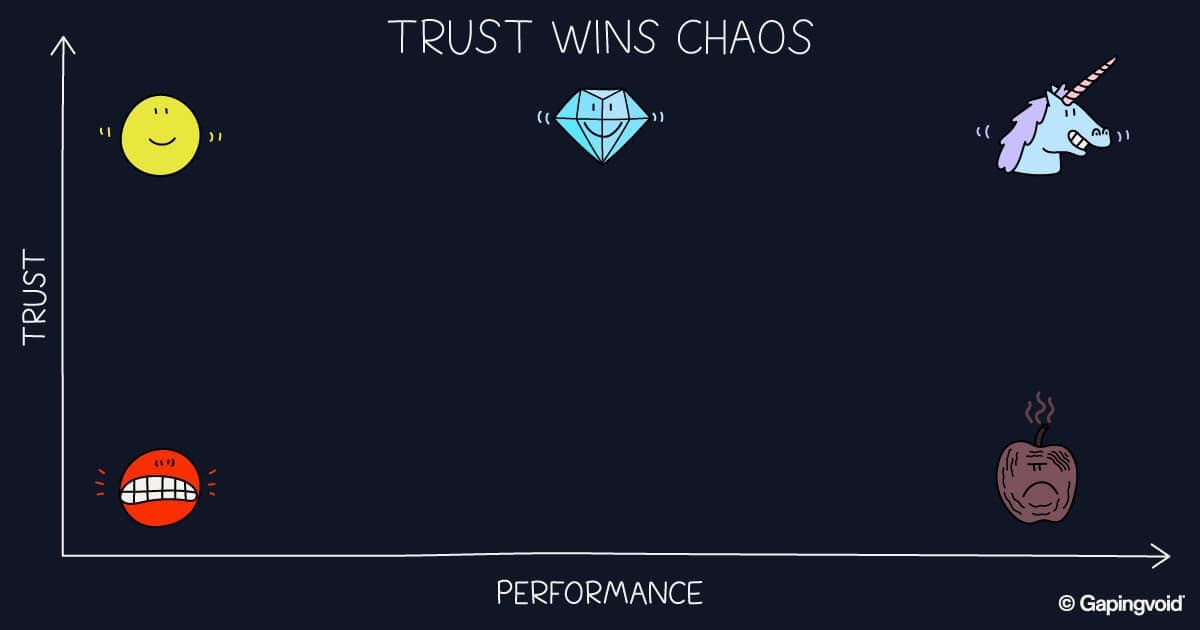
If taking vacation quietly feels safer than requesting it openly, your PTO policy isn’t the incentive. Fear is. If answering emails at 11 PM earns praise while logging off at close of business earns side-eye, your stated values aren’t running the company. Your unwritten ones are.
The best cultures don’t rely on elaborate policing, simply because they don’t have to.
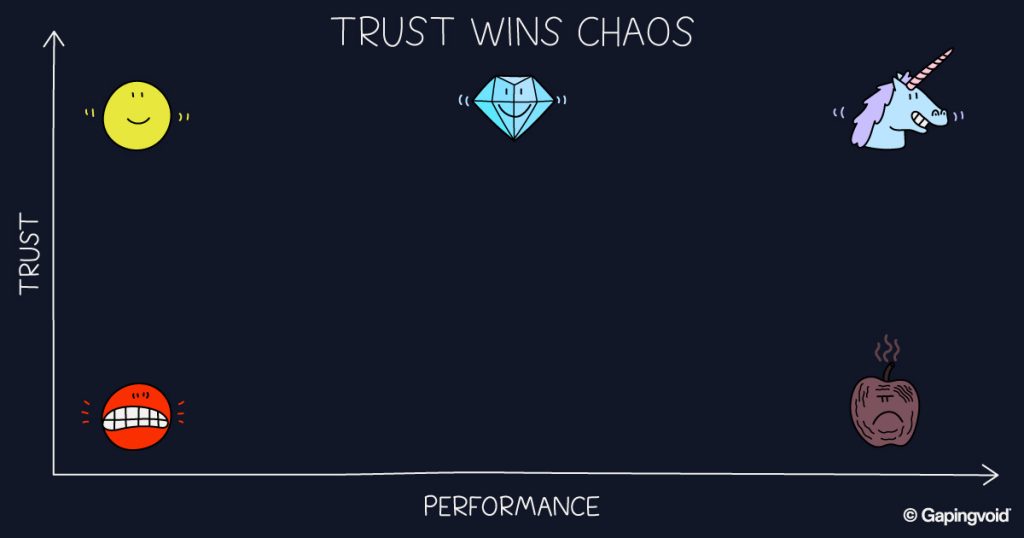
When people trust one another, they generally make good decisions even when nobody’s watching. When they don’t, no amount of policies, dashboards, surveillance software, or mouse-tracking apps will save you.
So if your employees are gaming your system, resist the temptation to tighten the leash. Instead, ask why your game invites that behavior in the first place.