Nov 6, 2026
What is AI Good For?
They said the Industrial Revolution was just a fad.
They said the automobile was just a fad.
They said the Internet was just a fad.
And now, right on schedule, apparently AI is just a fad, too.
Except that it isn’t, of course. It’s going to be huge. Some people think it’s literally the second Industrial Revolution.
Andreessen Horowitz, one of the world’s most successful venture capital firms, just placed a seven-billion-dollar bet on AI. That’s how sure they are.
Maybe the bullish techno-futurists are right this time.
But right now it’s still pretty new, and we’re still trying to figure it out in the here and now, not in some idealized future.
In his wonderfully humorous podcast, finance professor and hedge fund manager Patrick Boyle asks: Is AI actually useful?
Sure, it makes people more productive, but how? And what kind of people? Everybody, or just the chosen few?
Boyle cites studies that tried to measure AI’s productivity gains across different problems and tasks, including one from Harvard that studied employees at Boston Consulting Group.
The results were all over the place.
Some tasks improved a lot with AI; others improved less. On some tasks, high-skilled people scored far higher with AI than low-skilled people; on others, it was the opposite.
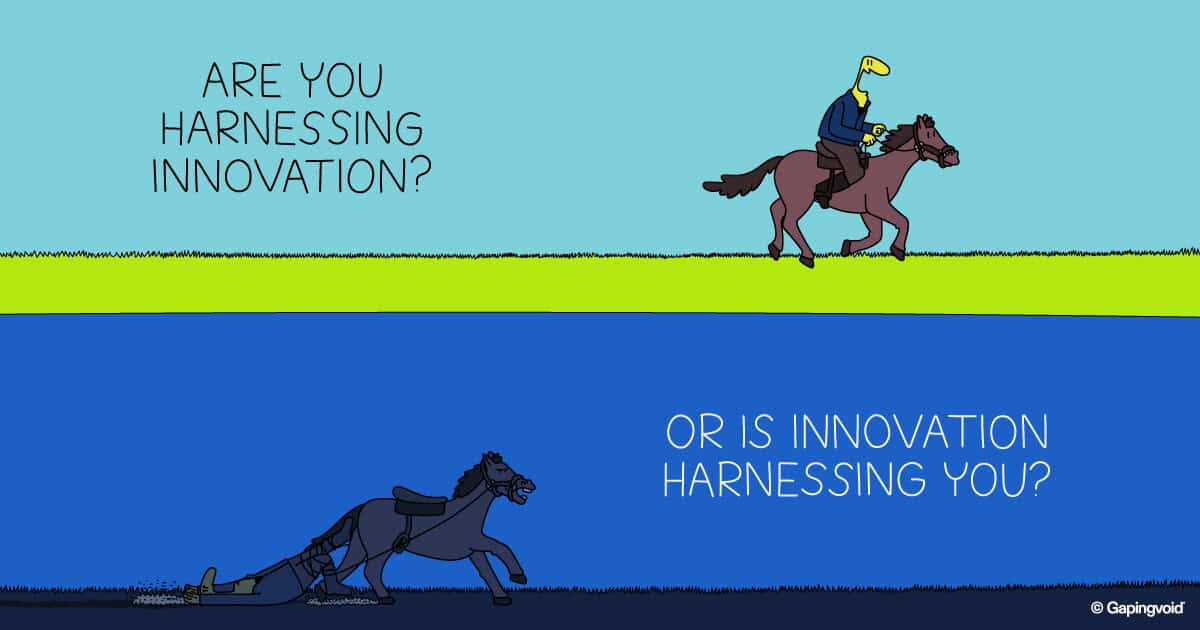
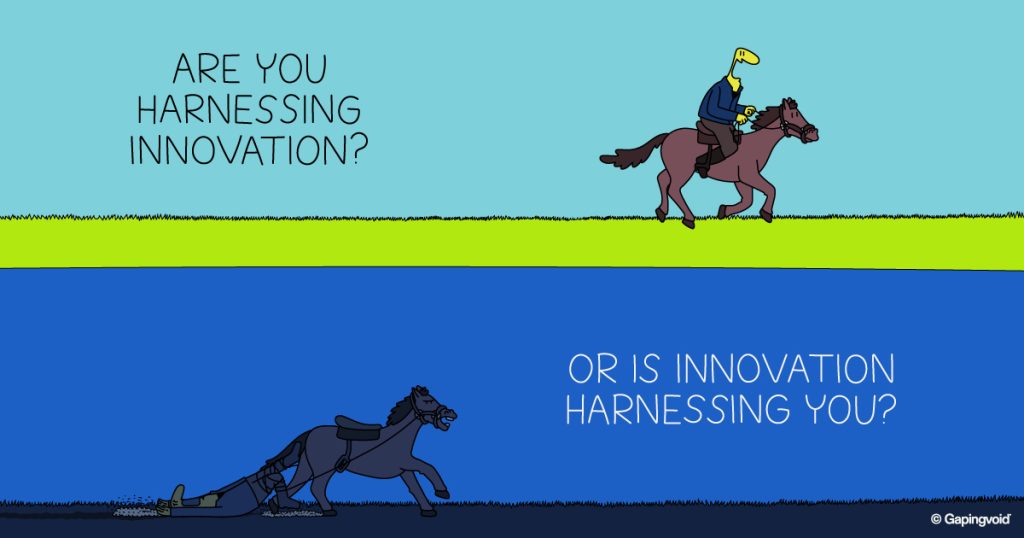
What this data tells us is that the people who made the most productivity gains weren’t always proportional to how skilled they were at their job, but how well they did at knowing when to apply AI to a task, and when not to.
What to delegate, what to double-check, and what to do yourself.
As with anything else, it’s not the tool that matters; it’s knowing how to use it.
Overall, Boyle concluded that AI made people more productive, which is a good thing, but it’s still a messy business.
As Alan Ladd said in “Shane” (1953), one of the greatest Westerns ever made, “A gun is only as good as the man using it.”