Nov 27, 2026
Some Stories Never Get Old
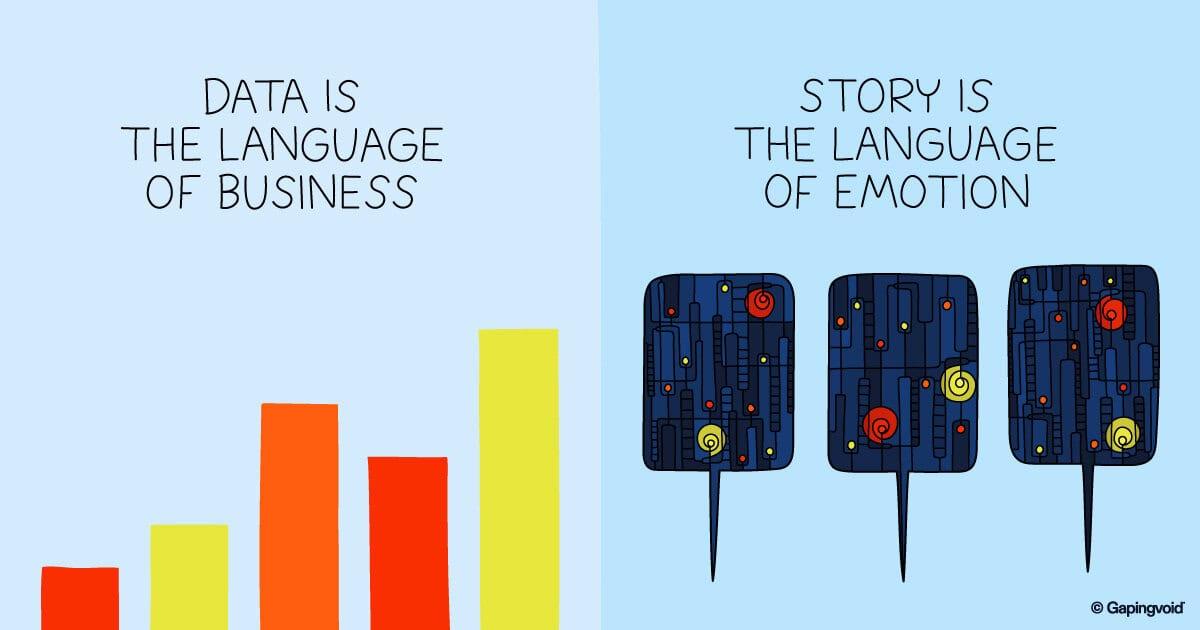
History YouTuber Rudyard Lynch points out that much of hero-based fantasy literature is set in the Middle Ages (Lord of the Rings, Game of Thrones, etc.).
One of the reasons they seem so magical and timeless is because they’re outside our sense of normalcy. They’re so far removed from the mundane day-to-day that comes with our well ordered, complex society.
Take a more recent mythological world: Star Wars. The original 1977 flick was not explicitly about life in post-Vietnam, inflation-ridden America. It was about eternal themes like good vs. evil, men vs. The Man, technology vs. the human spirit. 1970s politics wasn’t the point.
This is how most storytelling works. People generally read Dostoevsky or Tolstoy not because 19th century Russia matters to them, but because things like God vs. atheism, order vs. anarchy, poverty vs. wealth, freedom vs. duty matter, and they always will.
We’re doing the same thing when we watch those old Apple videos of Steve Jobs on stage, giving his famous presentations. We don’t care about what he’s demonstrating circa 1997; no one has used iPods in years. But we do care about the way he tells a story, and the timeless wisdom that informs it all.
They weren’t about The Now, they were about The Eternal. Which is what makes them ultimately interesting, not to mention, of lasting value.
Most leaders know a big part of their job is storytelling (at least, the good ones do). Where most of them go wrong is that their stories are often stuck in The Now.
Because they’re only focused on the next gizmo coming out, they’re not connecting with those ever-eternal, ever-unchanging values that govern the human heart.
So, what story are you telling? Can the same themes be found in art throughout history? If not, you might want to find something about your story that will be as true in a decade as it is today.