Oct 21, 2026
The World is Not A Beta Test
A few years ago, some members of our team sat in on a very interesting panel at a university conference titled Should Universities Be Run More Like Startups?
On the face of it, it sounds like a great idea. Faster innovation, more risk-taking, less bureaucracy – what’s not to like?
Then a clever professor on the panel made a very good point:
“Startup models are great,” he said, “but the reality is, 90% of startups go out of business within five years. You cannot run a university that way.”
Therein lies the rub. A very big rub indeed.
We thought of this rub when we read this recent opinion piece in The Atlantic, I Quit OpenAI Because Its Culture Is Broken, written by Dave Robinson, former Head of Safety Transparency and Policy Planning at OpenAI, who just resigned over safety concerns.
Back in September, an Anthropic researcher said he believes there is a more than 10% chance AI “could kill all humans.”
The AI revolution was created by Silicon Valley, which has a very gung-ho, move-fast-and-break-things ethos as part of its DNA. How ironic that the philosophy that built the future may be the very thing that puts it at risk.
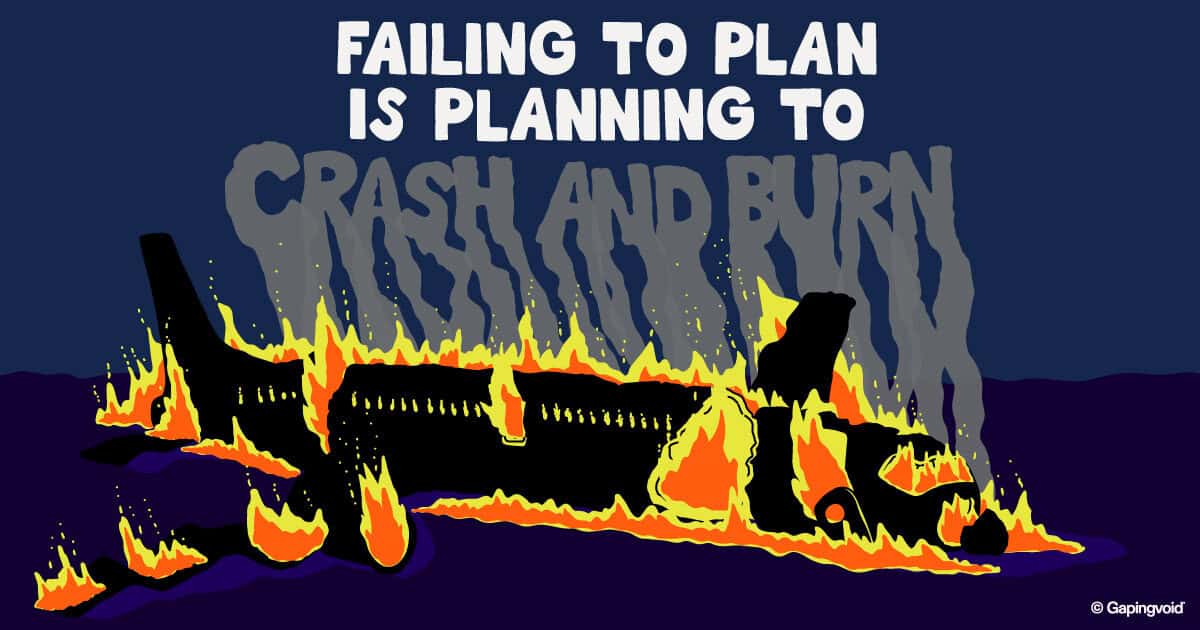
If AI is as dangerous as this Anthropic insider claims it is, Robinson argues that it should be run more like a nuclear power station or an airport, with all the safeguards institutions like those typically have in place.
He wrote, “The future depends on wisdom that Silicon Valley lacks. Wisdom about how to handle dangerous technology and, more fundamentally, wisdom about what it means to care for people. This moment needs a degree of humility that isn’t natural for people who have succeeded through their extreme confidence.”
Talk about a culture clash.
Obviously, as it gets more powerful, AI will have to evolve. Becoming world-class at cleaning up the mess after things go horribly wrong won’t cut it because, as Robinson points out, “People will not be safe if we depend on individual heroics after the fact.”
There’s also the question of what happens if we go slow, prioritizing safety, potentially allowing other countries like China to eat our lunch by doing the exact opposite?
So how does one cope with this new age that seems to arrive far too quickly for anyone’s liking?
The first thing to accept is that AI is not going away. The genie escaped the bottle a long time ago. The second thing to accept is that this isn’t a technical issue; it is a cultural one.
That means there is no right answer floating about in the aether, waiting for some clever computer programmer to discover it.
Instead, it’s the messy, human stuff: people like you asking what kind of world you want to live in.
Do we really want to stick with the move-fast-and-break-things mentality with this whole AI thing? Are we comfortable risking moving-fast-and-breaking the world as we know it?
What’s the point of winning the race if nobody’s left to celebrate at the finish line?
If you don’t like the direction your organization is heading, just like Robinson, you have a choice: walk away in protest, or stay and help build the culture you believe it needs. Both take courage.