Oct 2, 2026
The Work Between the Work
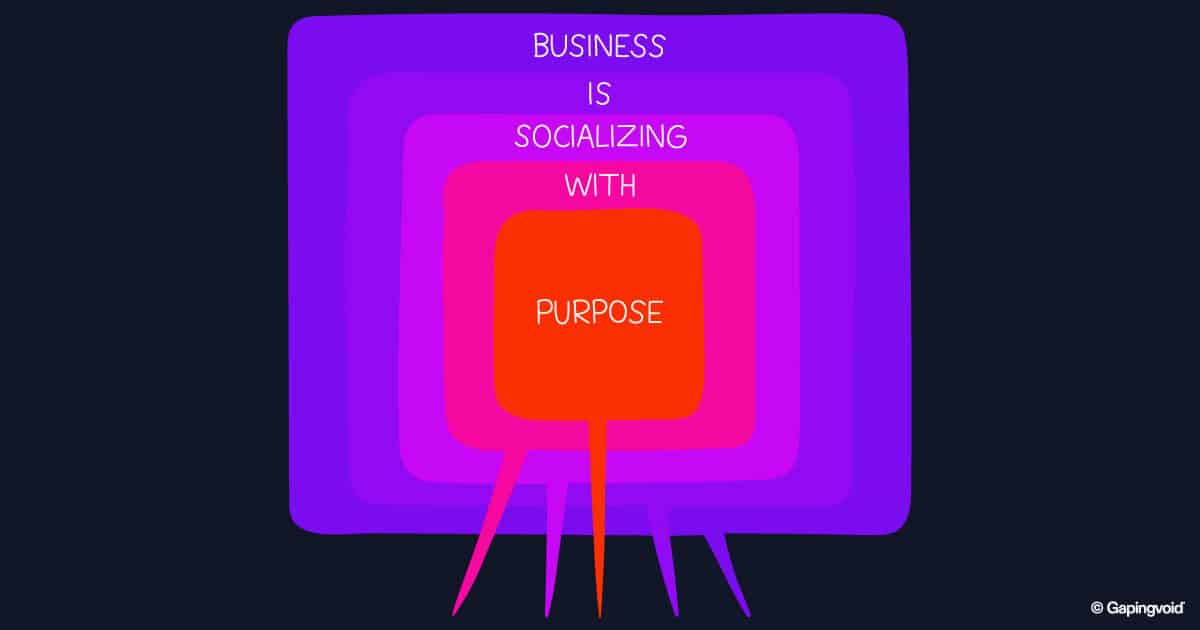
Work fills our lives. But as we all know, there are different kinds.
First, there’s “Deep Work.” Georgetown professor Cal Newport defines it as:
“Professional activities performed in a state of distraction-free concentration that push your cognitive capabilities to their limit. These efforts create new value, improve your skill, and are hard to replicate.”
Deep Work takes a lot of cognitive function; most of us can do it for only a couple of hours a day. The rest of the time, we’re doing what Cal Newport calls “Shallow Work,” what most of us call “paperwork.”
Then there’s another form of work that doesn’t fit into this binary.
Think about the schedule of a typical Congressman.
Votes, speeches, hearings, bills, motions, amendments – that’s the stuff that looks like Deep Work, right? On the surface, they seem like they’re driving progress.
But politics is a people’s business. The real magic often happens outside of the chamber. It happens in the corridors, over lunch, maybe over brandy and cigars after a weekend game of tennis in the Hamptons. If the chamber is the court, these are the locker rooms.
It’s the businessfolk who attend big conferences. Of course they’re excited to sit through panels with the Tony Robbins and Ariana Huffingtons of the world. But they’re more excited to shoot the shit with other attendees at the happy hours.
In an episode of the hit sitcom Friends, Rachel feels left out at work. She doesn’t smoke, so she misses out on all the shop talk that happens when her boss and colleagues take a smoke break.
A stretch? Not in Turkey, where roughly one in four adults smoke cigarettes.
No, the answer isn’t to get your whole company to start smoking. It’s to create more spaces for connection. More locker rooms. More water coolers for people to have conversations next to.
Howard Schultz, the longtime CEO of Starbucks, raved about his coffee shops being a “Third Place,” where it’s neither the office nor the home, but a liminal space where people could switch off work without switching off their brains.
Let’s call it “Third Work” for now.
Deep Work needs concentration. Shallow Work needs efficiency. Third Work needs space.
Space after the meeting. Space to grab coffee, linger over lunch, or talk about absolutely nothing until you inevitably start talking about something.
If every minute of your people’s day is productive, you’ve probably made your organization less productive.