Aug 3, 2026
Ridiculous Is The Future
If you worked in banking in the mid-20th century, using a calculator could’ve gotten you fired.
Those are for people who don’t get numbers, not for the professionals.
If you were an architect a few decades ago, using Computer-Aided Design would’ve gotten you laughed out of the building. Real architects use real tools: mechanical pencils, drafting tables, tracing paper.
And if you practiced law in the early days of computer-aided search, using a legal database to find case law was a signal of laziness. Dedicated lawyers pull physical volumes of case law, read them one by one, and memorize them manually. Everyone knows that.
Or so they thought.
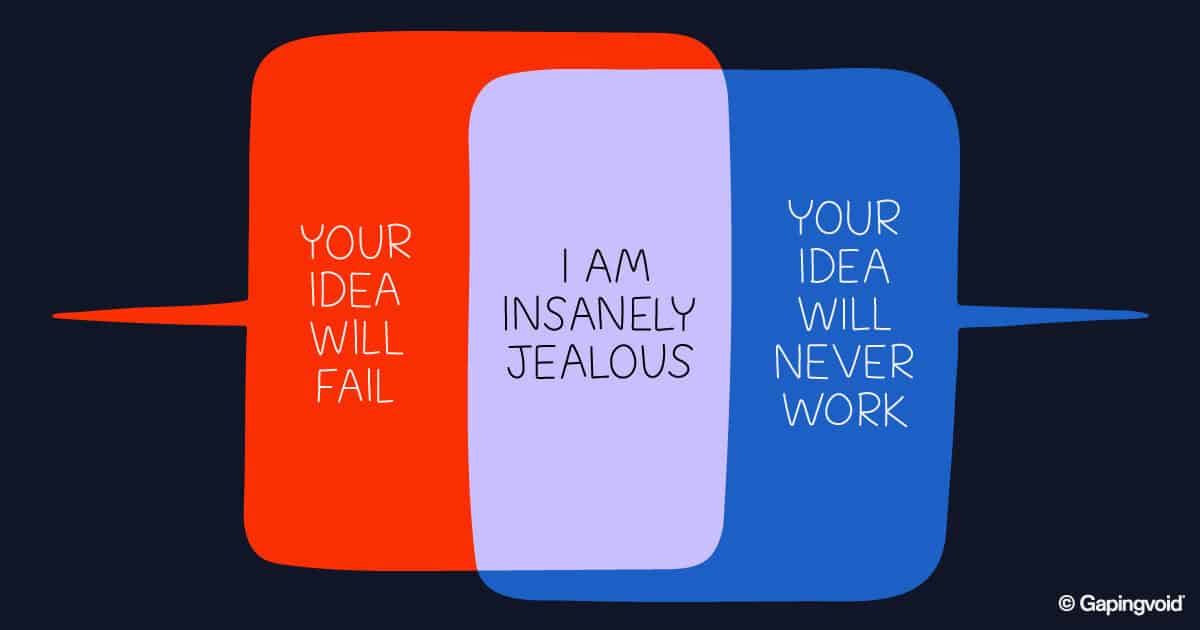
Innovation seems to follow a pattern: Every revolutionary product starts its lifecycle by seeming ridiculous.
When Samsung unveiled its new phone, it looked like something out of a sci-fi movie. It’s the size of an iPad and folds in three places to become like a regular smartphone (just a lot thicker)
This shatters many people’s mental models of what a phone is supposed to be. And here’s the thing: That’s exactly what revolutions do.
The next big revolution in any industry is going to seem science fiction-esque to a substantial number of people. Think back to when the internet was first invented. And now AI.
Is this tri-fold phone going to be the next big thing? Unlikely.
But then again, the next big breakthrough will seem highly unlikely. So who’s to say?
Which creates a strange challenge for business leaders: The future rarely arrives looking sensible. At first, it looks inefficient. Unprofessional. Kitschy. Embarrassing to be associated with.
The instinct inside most organizations is to protect the current definition of “serious.”
Serious feels safe. Serious gets approved in meetings. Serious survives quarterly reviews.
The companies known for moving the needle are the ones willing to tolerate the social discomfort of looking ridiculous slightly earlier than everyone else.
Here’s the question every business leader should be asking right now: What idea inside your organization are people dismissing because it feels too strange, too risky, or too unlike the way things have always been done?
Somewhere in your company, there is probably a weird little prototype wearing clown shoes that’s trying to tell you what the future looks like. Try them on. Lace them up. See how they feel. You can always take them off, but history suggests you probably won’t want to.