Sep 1, 2026
If There’s A Wii, There’s A Way
Remember the Nintendo Wii? That fun little gaming console that took the world by storm back in 2006?
Here’s a look in case this isn’t ringing a bell.
In the 2010s, Nintendo decided it was time for its next big thing. In 2013, the Wii U console hit the shelves. And…
…crickets.
The follow-up to that breakthrough wasn’t a bigger breakthrough. It was a flop. The sort of flop that would ordinarily be followed by layoffs.
Except this time, it wasn’t. Because Nintendo CEO Satoru Iwata took a 50% pay cut to keep everyone on board. He said:
“If we reduce the number of employees for better short-term financial results, employee morale will decrease, and I sincerely doubt employees who fear that they may be laid off will be able to develop software titles that could impress people around the world.”
Lo and behold, Nintendo’s next launch – a console called the Nintendo Switch – sold more units than the Wii’s measly 100 million.
The statistician, philosopher, and investor Nassim Nicholas Taleb is credited with inventing the concept of antifragility.
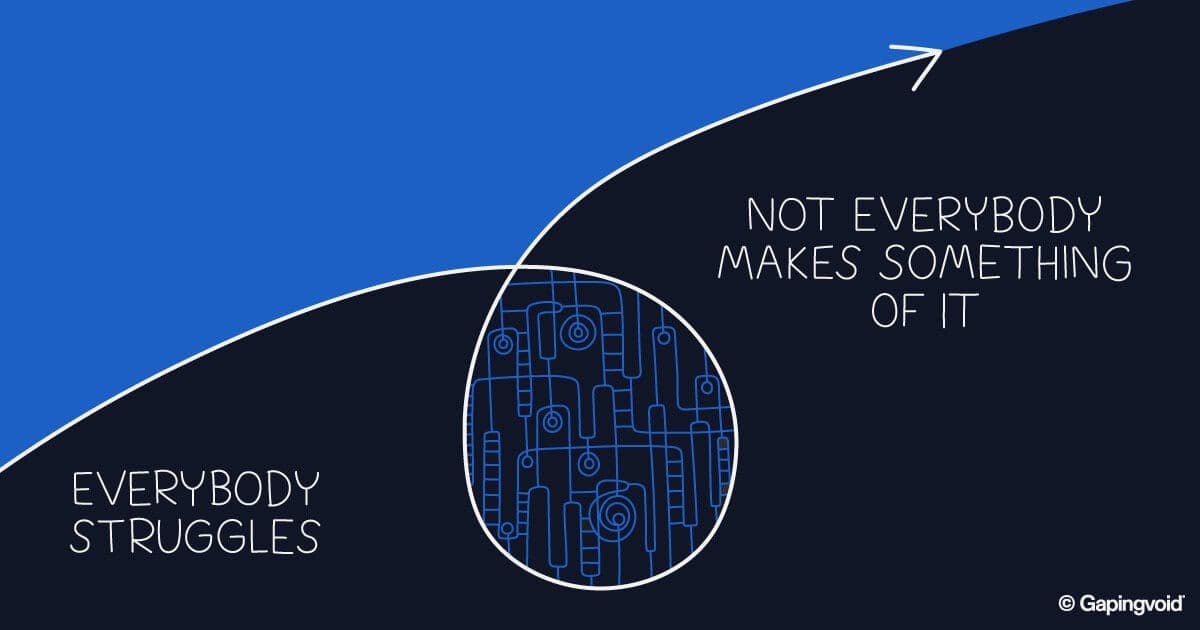
Fragile systems hate stress and challenge. They break. Resilient systems survive hardship. Antifragile systems use failure as a slingshot to success.
Basically, a company that makes one mistake and sinks: fragile. A company that weathers the storm: resilient. A company that uses choppy waters to become a stronger sailor: antifragile.
Iwata’s voluntary pay cut wasn’t a generous act of love for his team. It was an investment in his company’s antifragility, a shift from mere adaptability to something stronger.
Keep the people on board. Give them a chance to learn from the setback and try better next time. We’ll bet good money that it’ll produce a culture that sees failure as fuel.
Iwata took a hefty pay cut, but it was a priceless gesture for his now very successful team.