May 23, 2026
What Made Alexander So Great
Most of us know Alexander The Great. The young, flamboyant, talented and charismatic leader who defeated The Perisan King Darius III, and built an empire stretching from Greece to India in a single decade, before dying unexpectedly at thirty-two. He was the original rockstar that many great leaders since (Julius Caesar, Napoleon, you name it) have measured themselves against. The OG of OGs.
The trouble with history is it’s only the sexy stuff that gets remembered. Only the Hollywood scenes make it through the ruthless filter of time: the battles, the adventures, the drama, the violence, the politics, the court intrigues, the exotic locations, the swords and sandals, the romance.
Dig a little deeper and what you find is it was the unglamorous, boring stuff that actually did the heavy lifting.
Unlike your typical marauding warlord of ancient times, Alexander didn’t come trundling in, killing everything in sight, taking the plunder, and burning down the rest, like a classic 1950s B-movie. The biggest key to Alexander’s success was that he tried to keep everything about his seized lands intact. As intact as a conqueror can, anyway.
Upon seizing new regions, citizens were allowed to keep their existing religions, languages, cuisines, traditions, and even the remnants of their defeated armies, so long as they didn’t interfere with his operation. Alexander’s soldiers were even allowed to settle, integrate, and marry local women.
All he really did was replace the head honcho with somebody working for him instead. Be it one of his fellow Greeks (like his close friend Ptolomy, ancestor of Cleopatra) or a local Persian official (known as “Satraps”) that he thought he figured he could work with. Didn’t matter which, so long as the person was competent, paid tribute, and could be trusted. Then he’d move on and do it again. And again. All the way to India.
Alexander was great, but he didn’t invent any of this. The satrap system was already there. Cyrus the Great built the Persian empire on it two centuries earlier and was famously hands-off: govern your region however you like, keep the peace, pay your tribute, and I’ll never send the army. His successors, Xerxes, Darius, and eventually Alexander carried on his legacy.
What set Alexander apart is that he pushed it a bit further. He went beyond tolerating the locals to marrying them. Mass weddings at Susa. Persians promoted into his own high command. He built a single ruling class out of conqueror and conquered, loyal to him.
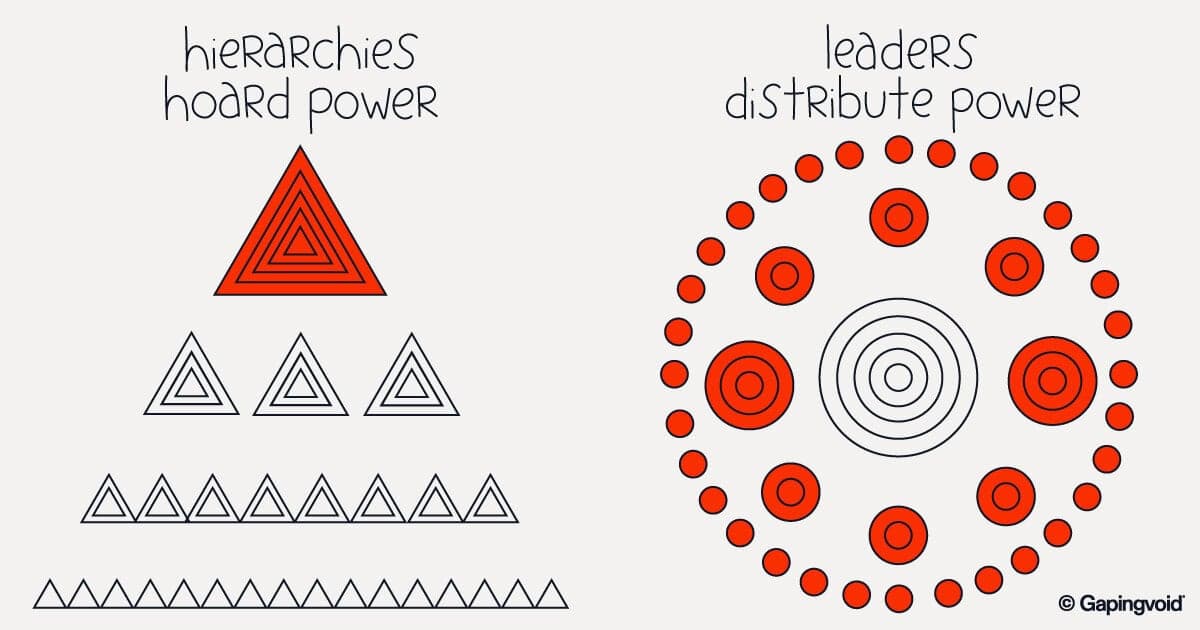
It worked. The subcultures held with each region running itself. This is what we’d now call “antifragile,” creating a web of fairly autonomous parts, absorbing shocks on their own rather than one rigid monolith.
Phillip Freeman, in his 2011 biography of Alexander, makes the point that if Alexander had played micromanager instead, it’s doubtful Greek civilization would have had the lasting effect on modern civilization it did.
But this is how all leaders scale. Not by stamping one culture on everything, but by growing a lot of complimentary subcultures that work together, and pull in the same direction without needing to look the same.
This is why British Army regiments keep their own colors and traditions. It’s why Texas lawmakers and those in Massachusetts do things differently. It’s why GM and Volkswagen let their divisions operate like separate car companies altogether, not just separate brands. It’s why different teams in your own organization attract completely different kinds of people. Yes, we’re on the same team, but we have differences that create greater belonging than we ever could at scale.
Most leaders feel the urge to flatten these pockets of difference. To get everyone on the same page, in the same voice, marching in the same step. The instinct feels like cohesion, but it can actually be the opposite.
The bigger the culture, the more subcultures it needs to survive. One size never fit anyone. Your job as a leader isn’t to stamp them out, it’s to find the Satrap you can trust, and let them run.