Jun 26, 2026
History Doesn’t Use Cruise Control
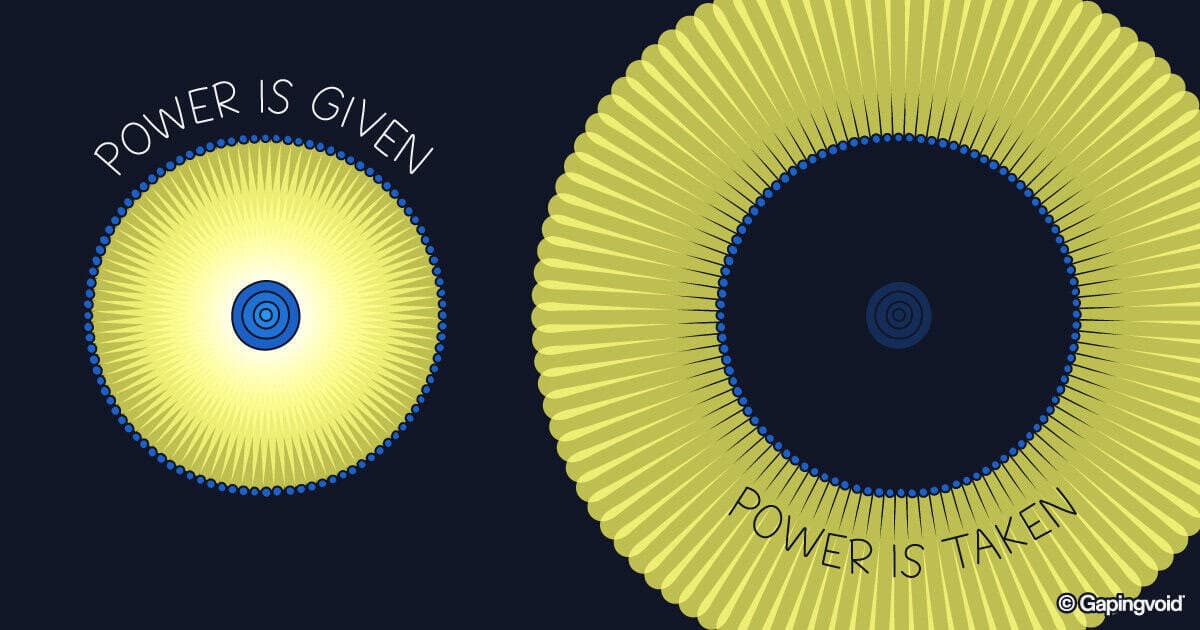
In Ireland, around 1880, the harvest wasn’t doing so well.
To appease his tenant farmers, Lord Erne offered a 10% rent reduction. They countered with a request for 25%. He rejected their proposal and told his land agent, Captain Charles Boycott, to start evicting them.
That should have ended the story. Instead, it started one.
Irish nationalist Charles Stewart Parnell, a local leader at the time, made a simple proposal to the farmers: don’t attack Boycott. Don’t threaten him. Simply pretend he doesn’t exist.
Don’t work for him.
Don’t sell to him.
Don’t buy from him.
Don’t even acknowledge him.
The village happily obliged.
His laborers quit.
His servants disappeared.
Shopkeepers turned him away.
Even the postman refused to deliver his mail.
Within weeks, one man became socially radioactive.
The story spread around the world. The Irish Land Reform movement found new momentum. And Captain Charles Boycott achieved something few people ever do: his name became a verb.
Evolution doesn’t always happen slowly.
One of the strongest theories in biology is called punctuated equilibrium.
Species often spend thousands of years barely changing at all. Then the environment shifts and suddenly everything changes.
Culture behaves the same way.
Most days, history crawls. Then, without much warning, it sprints. Think through times when this happened:
The fall of the Berlin Wall
The American Revolution
The collapse of the Soviet Union
#BlackLivesMatter
The Arab Spring
#MeToo
Remote work in 2020
Years of pressure. Days of transformation.
People love saying culture change takes time.
And sometimes it does. But sometimes all it takes is a Tuesday. And a group of people with a shared story, a common purpose, and enough conviction to act together.
As Margaret Mead famously put it: “Never doubt that a small group of thoughtful, committed citizens can change the world. Indeed, it’s the only thing that ever has.”