We’ve all seen the movie before.
An organization that seems to have everything going for it suddenly goes pear-shaped. It implodes and all falls apart. A’tumbling they go, down the mountain they were recently king of.
Alexander. Xerxes. Phillip II of Spain. The Americans in Vietnam. Kodak. WeWork. Organizations that seemed unstoppable, until one day, they weren’t.
Usually it’s because they bit off more than they could chew. A bridge too far.
So why does it keep happening, almost like clockwork?
For that, we have to go back to Ancient Greece, to the poet, Archilochus.
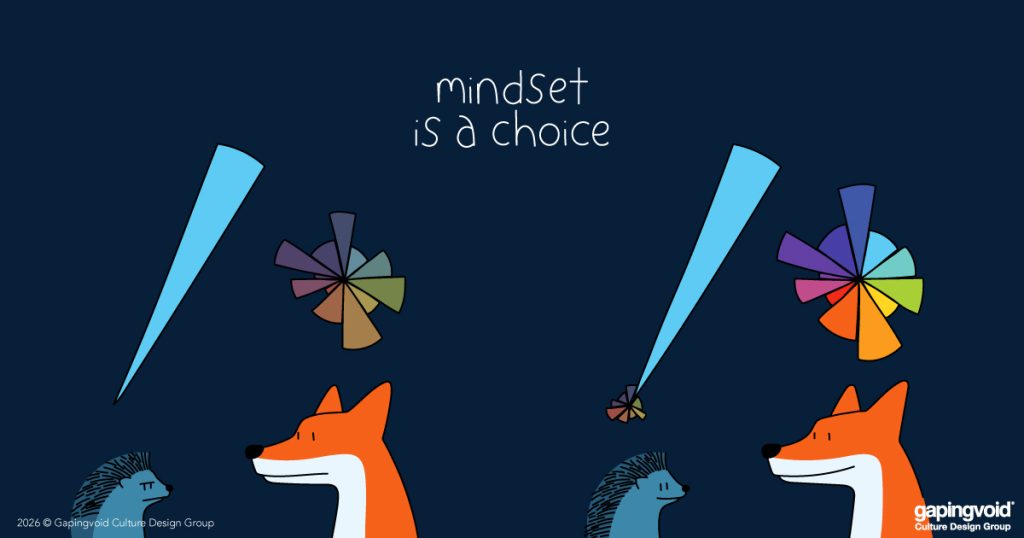
Archilochus is famous for his line about how a hedgehog is good at doing just one thing, whereas a fox is good at doing many things.
The idea was pretty obscure for 2,500 years until the philosopher Isaiah Berlin made it mainstream, arguing that great thinkers tend to fall into one camp or the other. Macro vs. micro.
Which raises the obvious question: why not be both?
This is basically how military historian John Lewis Gaddis opens his book, On Grand Strategy, based on his popular class at Yale. But Gaddis flips the question. Not “why not be both?” but “If being both is the obvious play, why do people fail at it so often?”
He points to research by psychologist Philip E. Tetlock, who studied over 21,000 predictions on world politics from experts in universities, government, and think tanks, made between 1988 and 2003. In his book Expert Political Judgment, Tetlock found that who these people were made almost no difference. Background, status, job title, political leanings, optimism, pessimism. None of it mattered.
What mattered was how they thought. And the variable that predicted accuracy was whether they operated like foxes or hedgehogs.
Foxes won. Big time.
The hedgehogs drilled down on one framework to form their opinions. The foxes stitched together information from diverse sources. They were also more open-minded, and less defensive when challenged.
You may think that the Foxes were more popular, but interestingly the hedgehogs were far more likely to show up on TV and speak at conferences. Turns out, confidence reads well on camera. It just doesn’t predict much.
But Gaddis doesn’t stop at “be a fox.” Citing Sun Tzu, he argues that what great leaders actually do is something harder. They stay in fox mode while they’re gathering, listening, and synthesizing. Then, when it’s time to act, they flip. They go full hedgehog. Decisive. Singular. Committed.
Gaddis spends the rest of the book studying leaders who pulled this off. Augustus. Elizabeth I. Lincoln. People who could hold complexity in one hand and clarity in the other, and knew exactly when to switch.
His conclusion is simple: the issue isn’t whether you can be both, or should be both. You must be both.
The real skill isn’t living in one mode. It’s the toggle. Knowing when to stay open and when to close the door. When to keep listening and when to move.
Every great collapse? A leader who got stuck in one mode and couldn’t find the other.