Aug 23, 2017
Employee Engagement: Alternative Facts
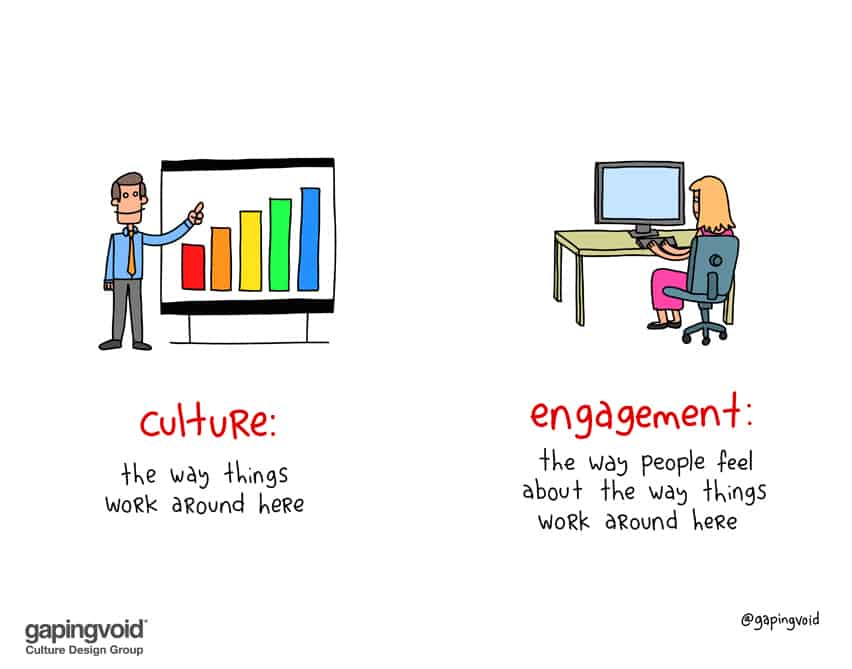
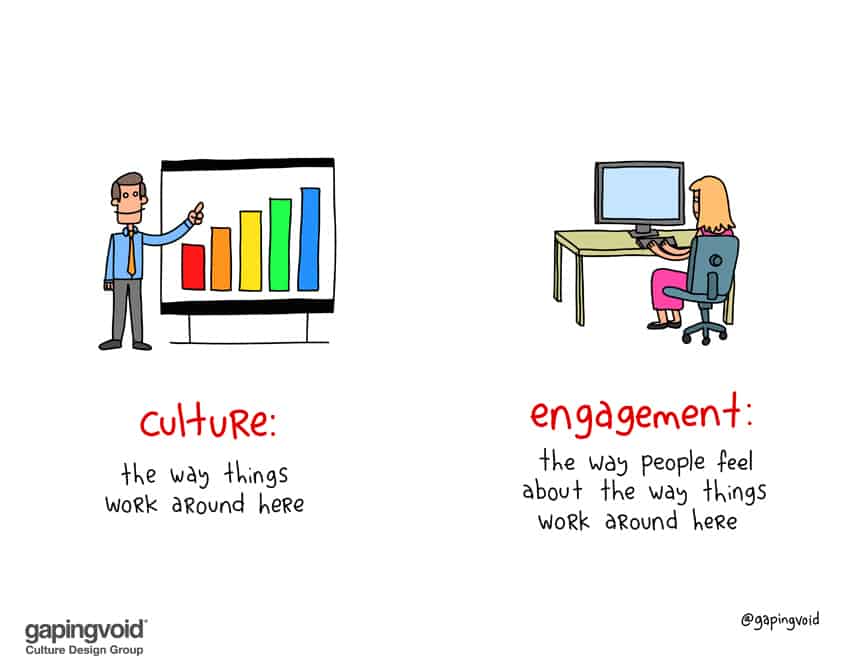
It was with the best of intentions that we devised such terribly ineffective ways of measuring our employees’ work engagement.
We must measure not what is just easy to measure, but what leads to results.
In the field of (real) science, its easy to find data about humans: our heights, weights, our average incomes. We can even compare the number of steps we walk, our calorie intakes and the number of hours we sleep each night.
So it made a lot of sense to start measuring other things as well, like how likely we feel that we would recommend our place of work to a friend. I mean, it’s pleasant enough. 5 out of 5? sure.
Did you begin recommending your workplace to your friends after checking the box? Well, of course not. But the data is still the data.
My point is, we humans aren’t the most reliable sources of our own data.
Observing one another doesn’t do us much good either. The pseudo-trust science of these engagement surveys is all about how we perceive each other.
If you really want to quantify a perception, go out into your actual work culture. You can probably average your company’s engagement on any given day more accurately by how people treat each other in the parking lot that morning, rather than how they responded to your survey.
The problem is that our feelings can’t be averaged and compared like that at all.
Trust falls out from underneath a relationship like a wave. And it builds back up slowly. It can’t truly be averaged or compared.
We’re well intentioned in trying to find some data to understand each other. But we are shifted around by so many complexities that there is so much more driving our relationships. Our engagement.
Measurement is simple, understanding is hard.
People who win the lottery report no increase in happiness after, versus before.
Maybe we don’t really know what we want. We can’t even seem to figure out what really engages us sometimes.
The stuff worth improving in a business is the stuff that isn’t about money, but about meaning.
Data can’t show you that stuff. But narrative can.